Interested in licensing this patent?
MTEC can help explore whether this patent might be available for licensing for your application.
Assignees
Member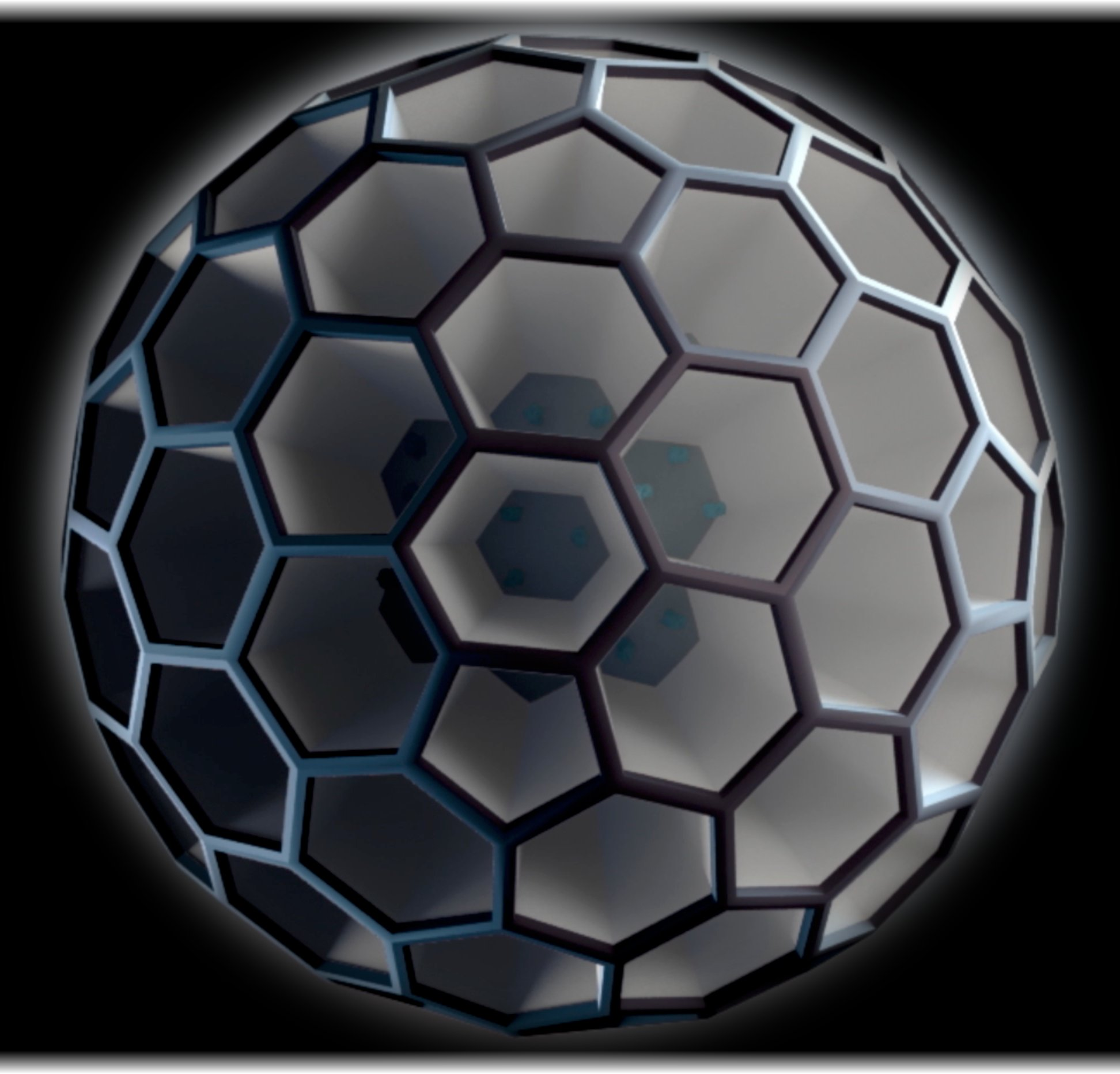 NaNotics
 is developing a new class of nanomedicine focused on the selective depletion of harmful soluble proteins implicated in cancer and other diseases. The company's injectable nanoparticle platform is designed to target and clear pathogenic soluble molecules from circulation without affecting essential membrane-bound forms, offering an innovative therapeutic approach for previously undruggable targets. The technology is modular, allowing rapid adaptation to new disease indications, and is supported by a strong patent portfolio and collaborative development with leading medical institutions.
NaNotics is developing a new class of nanomedicine focused on the selective depletion of harmful soluble proteins implicated in cancer and other diseases. The company's injectable nanoparticle platform is designed to target and clear pathogenic soluble molecules from circulation without affecting essential membrane-bound forms, offering an innovative therapeutic approach for previously undruggable targets. The technology is modular, allowing rapid adaptation to new disease indications, and is supported by a strong patent portfolio and collaborative development with leading medical institutions.
Publication Number
US-12083186-B2

Publication Date
2024-09-10
Expiration Date
Abstract
The disclosure provides, methods for preparing scavenging particles, as well as methods for attaching capture agents to the particles. The disclosure further provides compositions that bind to and inhibit the biological activity of soluble biomolecules, as well as pharmaceutical compositions thereof. The compositions may comprise a plurality of particles that specifically bind a target, such as a soluble biomolecule or a biomolecule on the surface of a pathogen, to inhibit the target (or pathogen) from interacting with other molecules or cells. Also provided herein are a number of applications (e.g., therapeutic applications) in which the compositions are useful.
Core Innovation
The invention provides a scavenging construct comprising a polymer particle shaped and sized to circulate through human vasculature and an agent attached to the polymer particle through a coupling group. The agent is capable of selectively binding to a target, and the coupling group is formed in a reaction between a functional group coupled to the agent and a reactive group coupled to the polymer particle.
A key feature is that the polymer particle sterically inhibits the agent from binding to a molecule on the surface of a cell. The document describes particle architectures and surface characteristics including protected, void, recess, cup-shaped, tubular, porous, protrusion, bridge, and DNA origami-like forms.
The disclosure also describes attachment chemistries and scaffold architectures enabling immobilization of agents on interior and/or exterior surfaces of the particle substructures, including oligonucleotide binding pairs and linker chemistries such as thiol-amine or carboxyl-maleimide coupling. The construct is described in the context of scavenging exosomes and vesicles and inhibiting unintended cell-surface binding by steric shielding.
Claims Coverage
The independent claim defines one core scavenging construct, and the surrounding dependent claims refine the agent, particle material, and structural/material properties. Across the listed claim set, the inventive features are centered on circulation-capable polymer particles, coupling-group formation between agent and particle using specified functional/reactive groups, and steric inhibition of agent binding to cell-surface molecules.
Circulation-sized polymer particle with steric anti-binding
A polymer particle shaped and sized to circulate through human vasculature, wherein the polymer particle sterically inhibits the agent from binding to a molecule on the surface of a cell.
Coupling group from functional/reactive group reaction
An agent attached to the polymer particle through a coupling group, wherein the coupling group is formed in a reaction between a functional group coupled to the agent and a reactive group coupled to the polymer particle.
Agent selectively binds target with defined functional/reactive chemistry
The agent is capable of selectively binding to a target, and the functional group and the reactive group each independently comprise one of the listed members including maleimide, thiol, nucleic acid, biotin, or members of an antibody-antigen pair.
Multiple coating moieties for steric inhibition
The polymer particle includes multiple coating moieties that sterically inhibit an agent from binding to a molecule on the surface of a cell.
Agent selected from antibody, nucleic acid, aptamer, or soluble receptor categories
The agent is selected from an antibody, a biomolecule-binding fragment of an antibody, a nucleic acid, or an aptamer, or is an interleukin protein, a chemokine, a cytokine, a protease, an enzyme, or a soluble receptor protein.
Organic polymer moieties selected from named polymers
The scavenging construct has organic polymer moieties made from one or more selected polymers including PEG, polylactate, polyglutamic acid, polyglycolic acid, polylactic acid, poly(lactic-co-glycolic acid), polyvinyl acetate, or a poly(amino acid).
Cross-linked copolymer material property
The copolymer is cross-linked.
Across the independent claim structure, the core inventive coverage is the combination of a polymer particle sized for circulation through human vasculature, a selectively target-binding agent attached via a coupling group generated from defined compatible functional/reactive groups, and steric inhibition preventing agent binding to molecules on the surface of a cell. Dependent refinements add multiple coating moieties, broader agent categories, and polymer moieties and cross-linked copolymer material properties.
Stated Advantages
Sequester soluble biomolecules and targets by selectively binding agents attached to circulation-capable polymer particles.
Inhibit undesired biological activity by targeting and sequestration of soluble targets including cytokine and soluble receptor proteins, toxins, viruses, and exosome/vesicle-associated biomarkers.
Sterically inhibit the agent from binding to molecules on the surface of a cell.
Favor circulation through human vasculature due to particle size and related particle characteristics.
Documented Applications
Scavenging and sequestration of soluble biomolecules and targets, including cytokine and soluble receptor proteins.
Scavenging and sequestration of toxins and viruses.
Scavenging and sequestration of exosome/vesicle-associated biomarkers.
Scavenging constructs described for scavenging exosomes and vesicles by creating protected, void, recess spaces and steric shielding against cell-surface binding.
Interested in licensing this patent?